
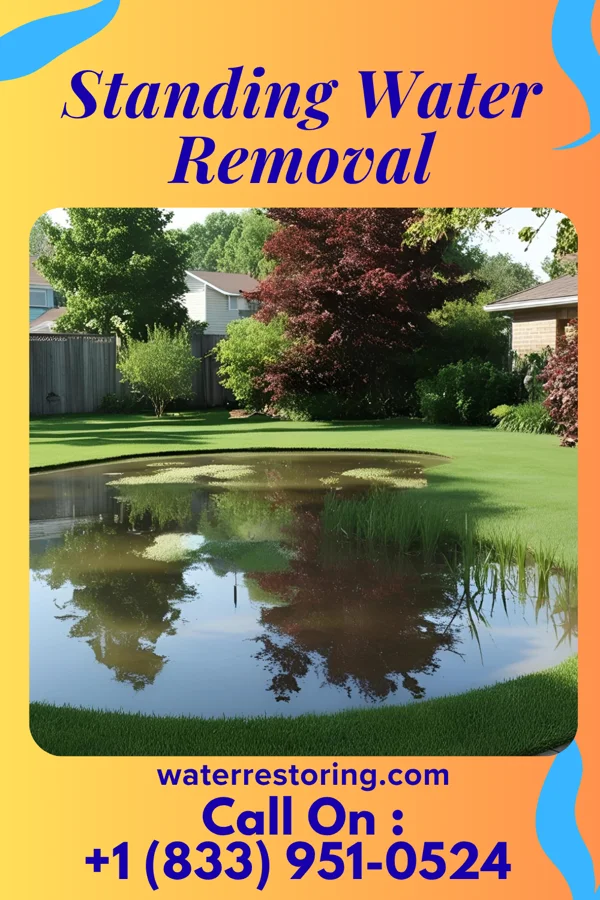
Why Angier Sees Standing Water Often
The pattern in Angier is consistent. In Angier, North Carolina, the primary water damage cause is often due to plumbing leaks, especially in older homes with outdated piping systems. Additionally, heavy rainfall during the spring and summer months can lead to basement flooding, particularly in areas near Fuquay-Varina and Buies Creek. drives most of the emergency restoration calls we get. A close second is Secondary causes include sewer backups, which are common in the rural areas of Harnett County, and water infiltration from nearby streams or rivers during severe weather events. Poorly maintained gutters and downspouts also contribute to water damage in the region..
Angier experiences a humid subtropical climate, which increases the risk of mold and mildew growth after water incidents. The region's frequent thunderstorms and occasional flooding further elevate the need for rapid water damage response and mitigation.
Angier experiences a humid subtropical climate, which increases the risk of mold and mildew growth after water incidents. The region's frequent thunderstorms and occasional flooding further elevate the need for rapid water damage response and mitigation. The dominant local driver is In Angier, North Carolina, the primary water damage cause is often due to plumbing leaks, especially in older homes with outdated piping systems. Additionally, heavy rainfall during the spring and summer months can lead to basement flooding, particularly in areas near Fuquay-Varina and Buies Creek., with Secondary causes include sewer backups, which are common in the rural areas of Harnett County, and water infiltration from nearby streams or rivers during severe weather events. Poorly maintained gutters and downspouts also contribute to water damage in the region. showing up as the next most common cause. Damage builds in stages. Spread. Absorption. Microbial growth. Structural compromise. Every stage you pass through adds to the final bill.